The videos that performed best this year were the ones I almost didn't post. The ones I spent three hours on usually flopped. I've been thinking about why.
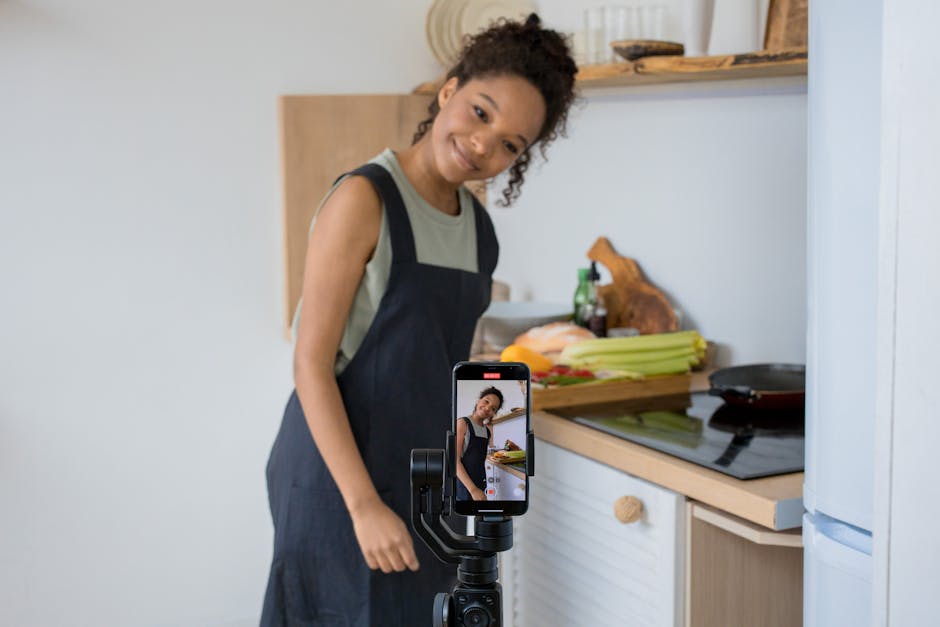
The three-hour videos had a problem: I knew too much about them. I'd watched them so many times in the editing process that I'd lost the ability to see them the way a viewer would. I'd optimized out all the rough edges, and the rough edges were the interesting parts. The almost-didn't-post videos were rough. They were also real.
There's a format thing happening here that I think is worth naming. The formats that work best on short-form video right now are the ones that feel like they weren't supposed to be content. The accidental capture. The thing you filmed for yourself and then decided to share. The moment that wasn't staged. The algorithm rewards this, which is ironic, because the moment you start deliberately making things that look accidental, they stop looking accidental.
I've watched creators try to solve this problem in different ways. Some of them just... stop trying to solve it. They make the thing they want to make, post it without overthinking, and let the chips fall. Their consistency is the strategy. Not every video performs, but the ones that do perform because they're genuine, and the audience can tell.
Others try to reverse-engineer the accidental quality — to make things that look unpolished while actually being carefully constructed. This works sometimes. It also requires a kind of sustained performance that's exhausting, and it tends to collapse eventually. The audience figures it out. Or the creator burns out. Usually both.
The XCalitoy approach I've been developing is something in between: make the thing quickly, post it before you've had time to second-guess it, and then analyze what worked after the fact rather than before. The analysis informs the next thing, but it doesn't constrain it. You're learning from the past without letting the past dictate the present.
This requires a tolerance for imperfection that's genuinely hard to develop. The instinct to polish is strong. The fear of posting something that isn't ready is real. But "ready" in content creation is a moving target, and the things that feel most ready are often the things that feel most safe — which is to say, the things that feel least interesting.
The creative strategy question I keep coming back to is: what are you optimizing for? If you're optimizing for views, you'll make different choices than if you're optimizing for connection. If you're optimizing for connection, you'll make different choices than if you're optimizing for your own creative development. None of these are wrong. But they're different, and conflating them is where a lot of creators get stuck.
The format that works better when you stop trying to make it work is the format that's aligned with what you actually want to say. When the format and the content are fighting each other — when you're trying to fit a genuine thought into a trending structure — the result is usually neither good content nor good format. It's just noise.
The almost-didn't-post videos worked because the format and the content were the same thing. The roughness was the content. The uncertainty was the content. The fact that I wasn't sure it was worth posting was, paradoxically, what made it worth posting.
I don't know how to systematize this. I'm not sure it can be systematized. But I think the starting point is: stop asking whether the format is working and start asking whether you're saying something true. The format will figure itself out from there.
The content creation conversation tends to focus on tactics — what to post, when to post, how to optimize. Those things matter. But they matter less than the underlying question of what you're actually trying to do. Get that right and the tactics become easier. Get it wrong and no amount of optimization will save you.
The systems thinking version of this: the system is only as good as the goal it's optimizing for. Define the goal clearly, and the system can serve it. Leave the goal vague, and the system will optimize for whatever's easiest to measure — which is usually not the thing you actually care about.